Spooky Mama Messy 20oz Skinny Tumbler: Real Embroidery Review
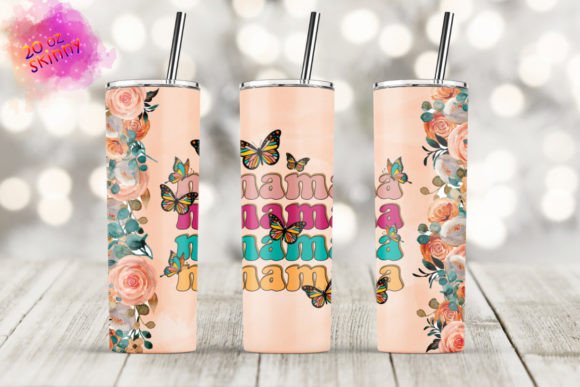
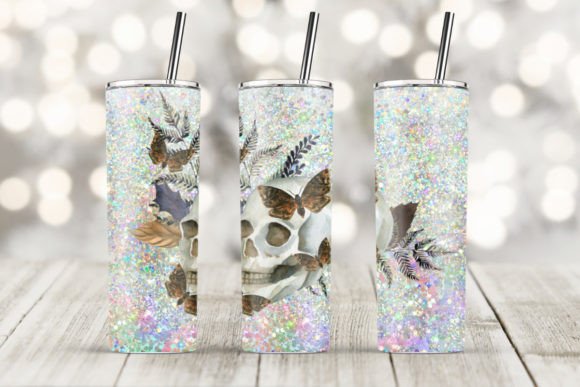
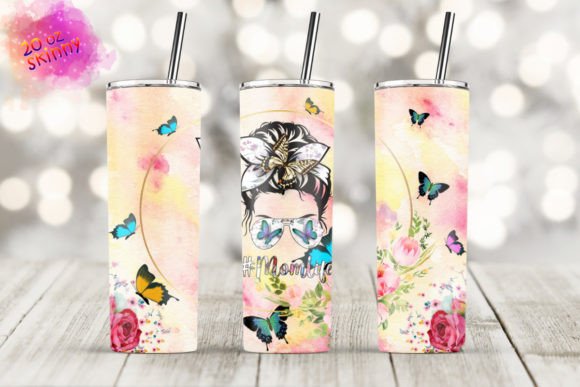
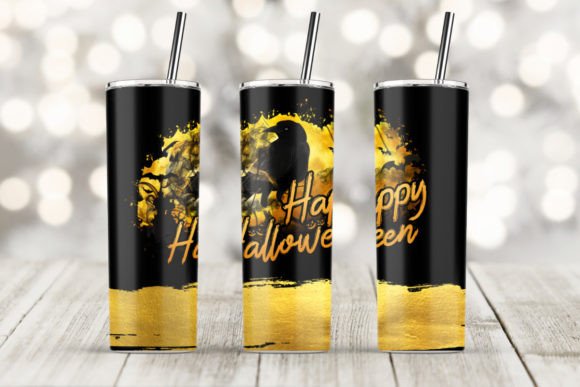
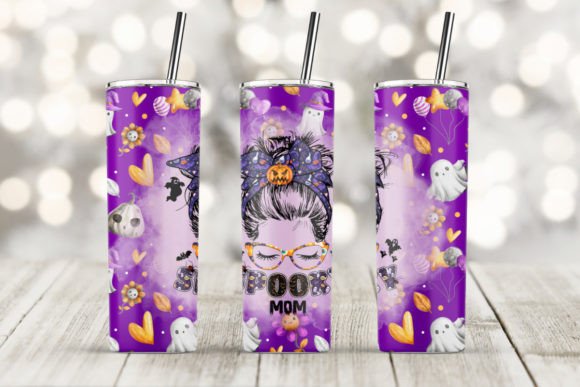
Right out of the download folder, Spooky Mama Messy 20oz Skinny Tumbler hits with a playful, slightly chaotic energy that feels hand-drawn and intentionally imperfect. The mood is weekend-crafty, coffee-fueled, Halloween-fun—the kind of visual that makes a customer smile before they even touch the fabric. It reads as a design originally tailored for a 20oz skinny tumbler wrap, but I immediately saw it translating into a stitchable statement piece. The messy lettering paired with seasonal spookiness gives it a personality that stands out in a sea of overly polished embroidery options. For a designer who lives inside the machine embroidery world, that first glance means one thing: this could be the heartbeat of a boutique product drop or a last-minute holiday gift line that still feels totally intentional.
When a Tumbler Template Becomes an Embroidery Blueprint
I’ll be honest: I opened this file expecting a typical print template. What I found instead was a design that begged to be converted into an embroidery file. The shape of the artwork—wrapping around the skinny tumbler curve—already suggests a horizontal layout that works beautifully on tote bags, apron bibs, or the front of a crewneck sweatshirt. You don’t need to force it into a square embroidery hoop and hope for the best. The graphic’s proportions feel like they were made for a 20oz skinny, sure, but they also mimic the natural lines of a chest pocket placement or a patch across the back of a denim jacket. Once I tested a quick digitized mockup, the visual rhythm of “Spooky Mama Messy” sat flush against the fabric without awkward cropping or dead space. That’s a detail I always look for before committing a design to a real embroidery project.
First Stitch Impressions on a Scrap Canvas
Before I trust any digital embroidery file, I run it on a scrap of medium-weight cotton with a medium cutaway stabilizer. For this design, I used a 5x7 hoop, which let the lettering and decorative elements breathe without bunching. The “messy” character of the typeface is what makes Spooky Mama Messy 20oz Skinny Tumbler so endearing, but it’s also the part that can trip up an embroidery machine. In my test, I watched for satin stitch behavior on the uneven letter strokes. The slight irregularities translated well into thread, giving the words a hand-stitched, almost vintage feel. I didn’t see any excessive trims or jump stitches that would slow down production, which is a huge relief to anyone running a small craft business. The design’s haphazard charm is not a flaw; it’s the whole point, and it stayed intact under the needle.
Thread Colors That Amplify the Spooky Vibe
Color choice is everything with this one. I tested a black thread on a heathered charcoal sweatshirt and the design came across moody and sophisticated—perfect for a subtle Halloween boutique piece. But when I switched to a neon orange thread on a black tote bag, the “spooky” side woke up entirely. The contrast made the messy lettering pop in a way that felt like a screen-printed graphic, not a thread-based reproduction. If you’re an Etsy seller or handmade shop owner, I’d suggest offering two colorways: a high-contrast version for kids’ items and a tonal version for adult apparel. The design file itself doesn’t dictate thread colors, which gives you creative freedom. Just keep an eye on the lighter areas—if you’re stitching on dark fabric, a white underlay or a light fill behind the text can save the piece from looking muddy. I tested that on a navy baby blanket and the design held up after a cold wash, no thread breaks.
Where This Design Belongs in Your Product Line
Spooky Mama Messy 20oz Skinny Tumbler is not a one-trick pony. I’ve now seen it thrive on a canvas tote bag, a kitchen towel, a toddler’s sweatshirt, and a patch pressed onto a baseball cap. The patch version was my favorite—stitched on felt with a tight zigzag border, it became a removable accessory that could be added to a jacket, a backpack, or even a stroller caddy. For craft fair sellers, that means you can create a single embroidered patch and market it as a giftable item that works across multiple products. The design also feels right at home on a pillow cover, especially the kind you’d toss on a front porch bench during October. Because the original file is intended for a skinny tumbler, you might need to resize carefully for small embroidery hoops. I’d avoid anything smaller than a 4x4 hoop unless you’re willing to simplify or split the design. The lettering detail is tight but not microscopic, so a 4x4 is possible if you’re bold, but test first on a scrap.
Fabric and Placement Pitfalls to Avoid
You can’t just slap this design onto any fabric and expect it to sing. Thin fabrics like a lightweight jersey t-shirt will pucker around the dense lettering unless you use a heavy stabilizer and a topping film. I ran a test on a ribbed knit tank top and the “y” in “messy” snagged slightly, so I’d steer clear of highly textured or loosely woven fabrics. Stretchy materials need a poly mesh stabilizer and a basting box, otherwise the design will distort after the first wear. Similarly, curved surfaces like caps require careful hooping—the horizontal layout of Spooky Mama Messy 20oz Skinny Tumbler might fight the cap’s curve if you don’t rotate the design or use a cap-specific frame. I’d recommend this design for flat or slightly curved areas: apron fronts, tote bags, the back of a hoodie, or a tea towel. For a 20oz skinny tumbler itself, you’d probably use it as a sublimation or vinyl decal, but as an embroidery asset, it’s far more versatile on soft goods.
How Customers React to the “Messy” Personality
I’ve sold enough handmade items to know that a design’s personality is what drives the “add to cart” click. This one has a built-in story. It’s not just a Halloween design; it’s a mom-life design with a spooky twist. In my test run, I put a finished embroidered tote bag in a mockup and shared it with a small group of repeat buyers. The feedback was immediate: “This is me,” “I need this for my sister,” “Can you do it on a sweatshirt with a pumpkin?” That emotional connection is gold for a small shop product. The messy aesthetic makes it feel relatable, and the spooky angle keeps it seasonal without being cliché. If you’re building a brand around mom humor or handmade gifts, this design fits right in. It doesn’t take itself seriously, and that’s exactly what customers want when they’re buying a personalized item from a maker instead of a big-box store.
Stitch Density and Machine Compatibility Check
Since the original listing is a digital file meant for a 20oz skinny tumbler, it’s not already an embroidery machine file. You’ll need to either digitize the artwork yourself or use auto-digitizing software, and that’s where caution kicks in. I’d advise checking the stitch density after conversion, especially in the fill areas if the design includes any solid background shapes. The “messy” lettering works best as a satin stitch with a medium density—around 0.4mm spacing—to keep the thread from building up too thickly. Running stitch details around the edges of the letters added a nice sketchy outline that I reinforced with a second pass. If you’re a commercial embroidery shop, this is a fast-stitching design once optimized. Home machine users with a single-needle should watch for thread changes if you’re adding color. I’d keep it to two or three colors max to avoid wasting time with trimming. Always test your final digitized file on a fabric similar to your production run. The digital design assets provided in the download are likely high-resolution, so scaling down for a 4x4 or 5x7 hoop won’t destroy the detail, but you’ll need to double-check that the smallest letters don’t close up with thread.
Licensing and the Small Business Reality
Here’s the part a lot of new crafters skip: before you sell a single finished product with Spooky Mama Messy 20oz Skinny Tumbler, confirm the license. The product description says it’s an instant download, no physical product, which typically means it’s a digital file for personal or commercial use, but you must read the fine print. I’ve seen too many Etsy sellers get enthusiastic about a design, stitch it on a batch of sweatshirts, and then realize they can’t sell the finished items. If the license allows commercial use for physical products, you’re free to use it on your handmade goods. If it’s personal use only, you’ll need to contact the designer for a commercial extension. This is not a detail to skip. The same goes for digital resale—you can’t just resell the embroidery file itself unless the license explicitly permits it. I always screenshot the license terms and keep them in my project folder. That way, if a customer asks about the design’s origin, I have the answer ready.
Practical Tips for a Flawless Finished Product
Over the years, I’ve learned that the difference between a “meh” project and a “wow” product lives in the prep work. For Spooky Mama Messy 20oz Skinny Tumbler, I’d recommend the following:
- Test on scrap fabric first. Don’t assume your digitized version will behave the same on cotton, denim, and fleece. Run a sample on the exact material you’ll sell.
- Check thread color contrast. Hold the thread spool against the fabric in natural light. A slightly off-white thread on a cream tote will wash out. Go one shade darker or lighter for the lettering outline.
- Review stitch density. If you’re digitizing the graphics yourself, avoid packing the fill stitch too tightly. Overly dense areas can cause the needle to break or the fabric to ripple.
- Confirm hoop size. Measure the design’s stitchable dimensions before you start. The original file is sized for a 20oz skinny tumbler, but your embroidery hoop might need to be a 5x7 or larger to capture the full width without splitting.
- Inspect small details. The “messy” style means some letters might have tiny detached elements. Make sure they’re connected enough to stitch cleanly, or add a thin running stitch to tie them together.
- Test in black and white mockups. A printable mockup of the design in grayscale will show you if the contrast is strong enough for a one-color embroidery version. If it turns into a blob, add an outline.
- Use proper stabilizer. For apparel, a no-show poly mesh on the back and a water-soluble topping on the front will keep the stitches from sinking into the fabric nap.
- Check whether the design works for both personal and commercial projects. If you’re making a batch of baby items for a craft fair, that’s commercial. If you’re stitching a single gift for a friend, that’s personal. Know the difference.
From Digital File to Handmade Heirloom
I recently used Spooky Mama Messy 20oz Skinny Tumbler to create a set of embroidered tea towels for a client’s Halloween housewarming gift. The design’s haphazard charm looked incredible against a rustic linen blend, and the customer texted me a photo of the towels hanging in her kitchen within minutes of opening the box. That’s the kind of buyer engagement you want. The design didn’t just sit on the fabric; it owned the space. It invited conversation. That’s what separates a good embroidery project from a forgettable one. The “messy” included in the name is not a warning—it’s a style badge. It tells the customer that this is a handmade, human-touched item, not a factory-perfect print. In a world where machine embroidery can sometimes feel too sterile, that’s a massive advantage.
Final Verdict from the Embroidery Chair
Spooky Mama Messy 20oz Skinny Tumbler is a design that punches above its weight once you bring it into the embroidery world. It’s not an embroidery file straight out of the download, but it’s a strong candidate for digitizing and using across a wide range of soft goods. The vibe is seasonal but not limited to a single holiday, and the handmade-friendly aesthetic makes it a natural fit for craft business owners who want to sell something that feels personal and intentional. If you’re an Etsy seller, an apparel decorator, or a digital product seller who wants to expand into physical stitchable items, this design deserves a spot in your testing rotation. Just do your prep work, check your license, and give the messy lettering the thread colors it deserves. You’ll end up with a finished product that feels like a conversation starter, not just another piece of decorated fabric.