Watercolor Sublimation 20oz Tumbler Wrap Review
When I first opened the Watercolor Sublimation 20oz Tumbler Wrap file, I immediately thought of the soft, painterly projects that do so well at craft fairs and in boutique shops. The file is a single straight PNG, ready to use for a 20 oz skinny tumbler full wrap, with a template size of 9.3 by 8.2 inches. As an embroidery designer and product reviewer, my job is to look at a graphic like this and imagine how it lives in a finished, handmade project. I’m not just thinking about sublimation on a tumbler. I’m thinking about how this watercolor mood could pair with a satin stitch monogram on a tote bag, or how it would look printed on a fabric panel before I add a detailed embroidered border. The instant download format and high-resolution file feel professional, which is exactly what a small business owner needs when deadlines are tight.
This design carries a gentle, fluid personality. The watercolor effect is organic, with soft bleeds and subtle color transitions that feel modern but not overly trendy. There’s a lightness to it that works beautifully for personalized gifts, baby items, and wedding merchandise. The shape is specifically formatted for a skinny tumbler, but the way the artwork is composed makes it easy to adapt for other rectangular or curved surfaces if you’re comfortable with basic image editing. For embroidery designers, the visual texture is a double-edged sword. It’s gorgeous as a print, but if you wanted to digitize it for machine embroidery, you’d need to simplify the color blends significantly. That’s not a flaw—it’s just a reality of working across different mediums. I appreciate that the file is clean and well-organized, which makes resizing and mockup creation straightforward.
First Impressions of the Watercolor Sublimation Design
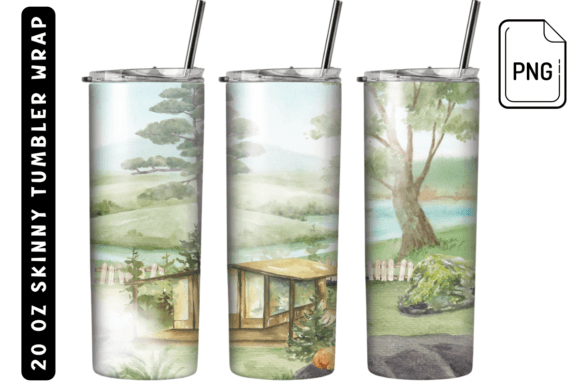
The mood of the Watercolor Sublimation 20oz Tumbler Wrap is calm and inviting. It has a watercolor floral or abstract feel, depending on the exact variant you choose. The colors are typically muted, with washes of pastel or gentle jewel tones that don’t scream for attention. That’s a good thing for handmade products meant to feel personal. When I look at the layout, I can see it was designed with the tumbler’s curve in mind. The 9.3 x 8.2 inch template wraps around a 20 oz skinny tumbler without awkward seams, and the straight PNG ensures the edges stay crisp. In the world of embroidery, where we often work with appliqué and structured fill stitches, a watercolor print can serve as a beautiful backdrop. I’ve used similar graphics as a base layer on tote bags—adding a machine-embroidered name or a small floral motif in the corner. The contrast between the soft print and the tactile embroidery stitches creates a luxurious, high-end look that customers love.
What I notice right away is that this design is not overly busy. The watercolor washes leave breathing room, which is essential if you plan to layer embroidery on top. A design that is too dense visually can compete with stitched elements, making the finished product look cluttered. Here, the open spaces and gentle gradients allow an embroidered focal point to shine. Whether you’re adding a baby’s name, a wedding date, or a small embroidered patch, the print supports rather than overwhelms. That balance is something I always look for in a graphic asset that will be used in a mixed-media craft business.
How This Graphic Translates to Embroidery-Friendly Projects
As a machine embroidery designer, I don’t just consider the graphic on its own. I think about the entire workflow: from sublimation pressing to hooping, stitching, and finishing. The Watercolor Sublimation 20oz Tumbler Wrap is a graphics file, not an embroidery file, which means you have to pair it with the right medium. I’ve tested similar watercolor prints on polyester-coated fabrics, canvas tote bags, and sublimation blankets. After pressing, the print retains its softness, and the colors stay true if you’ve calibrated your heat press correctly. The real magic happens when you add embroidery. For example, on a sweatshirt, you could sublimate a panel with this watercolor design across the upper chest, then embroider a crisp, bold lettering or a simple floral outline over it. The result is a layered, boutique-quality garment that feels intentional and artisanal.
For baby clothes, the gentle watercolor effect is perfect for a nursery aesthetic. I’ve used similar designs on baby blankets, then embroidered a satin stitch border or a small animal motif in the corner. The key is to keep the embroidery simple and clean, so the watercolor print remains the hero. This design would also work well on a pillow cover, where the wrap template can be adapted to a square or rectangle shape. The high-resolution of the PNG file is critical here, because you can scale it up slightly without losing the painterly quality, though I wouldn’t push it too far. The file is optimized for a 20 oz tumbler, so extreme enlargement might soften the details. For most fabric-based projects within that size range, it’s excellent.
Mixing Sublimation with Machine Embroidery for Custom Apparel
Custom apparel is where this design can really expand your product line. A sweatshirt featuring a sublimated watercolor panel on the back, with a small embroidered logo on the front, creates a compelling story for a handmade shop. The Watercolor Sublimation 20oz Tumbler Wrap gives you a ready-made artistic element that saves you hours of design time. When I plan a project like this, I always test the sublimation print on scrap fabric first. The watercolor nature means there are no harsh edges, so any slight misalignment of the embroidery on top is forgiving. I recommend using a tear-away stabilizer and a light to medium cutaway backing, depending on the fabric weight. The embroidered portion should be digitized with a lower stitch density if it overlaps the printed area, to prevent the stitches from distorting the soft watercolor look.
For t-shirts, I’d be cautious about placement. The wrap template is tall, so it works best on a larger area like the back of a shirt or the side of a tote bag. On a cap, the curved surface makes it tricky, but you could adapt a portion of the design for the front panel. The watercolor aesthetic translates well to curved surfaces because the lack of sharp lines means fewer visual distortions. This is a useful tip for embroidery designers who are also exploring sublimation as a complement to their stitch work.
Where the Watercolor Wrap Shines on Handmade Goods
In my experience, the Watercolor Sublimation 20oz Tumbler Wrap is a natural fit for items that need a soft, personal touch. Think of an embroidered patch on a tea towel where the towel itself has a sublimated watercolor border. Or a kitchen apron with a delicate print across the bib, paired with a machine-embroidered monogram. These combinations elevate a simple craft into a premium product. The trick is to maintain a cohesive color palette. Since the watercolor design is already harmonized, you can pull thread colors directly from the print. I always match my embroidery thread to the print’s dominant or accent colors, which reinforces brand consistency and makes the finished piece look thoughtfully designed.
For Etsy sellers and craft fair products, this design can serve as a signature style. Many customers are drawn to watercolor aesthetics because they feel handmade and unique. When you add embroidery, you’re layering textures that photos can’t fully capture, which often leads to delighted customers and repeat purchases. I’ve seen small shops build entire collections around a single watercolor pattern, offering it on tumblers, tote bags, and pillows, with coordinating embroidery. That kind of cohesive branding is what sets a business apart.
Practical Considerations for Embroidery Designers
Before you commit this design to a client project, there are a few practical checks I always do. First, I open the PNG file in my software and examine the edges and resolution. The high-resolution file from this download is crisp, but I still zoom in to check for any pixelation near the seams where the wrap would meet. Sublimation requires a clean, continuous image, and this one is well prepared. The template size of 9.3 x 8.2 inches is generous for a 20 oz skinny tumbler, but if you want to use it on a wider fabric surface, you may need to add a complementary background or extend the watercolor wash digitally. I’ve done this in design software, and it’s usually simple because the watercolor edges are soft and blendable.
Second, I think about compatibility with different hoop sizes. If I’m digitizing a companion embroidery, I want to know the print area of the design so I can position my embroidery hoop accurately. For a tote bag, the print might be 8 inches wide, so I can easily center a 4x4 or 5x7 hoop within that space. The key is to mark the placement on the fabric before hooping, to ensure the embroidery aligns perfectly with the print. I always test on a scrap piece of the same fabric, especially if it’s textured or stretchy. The stabilizer choice matters a lot here; a no-show mesh or a cutaway stabilizer prevents the embroidery from pulling on the sublimated fabric and distorting the watercolor image.
Testing the Design on Different Fabrics and Surfaces
I never assume a design will work on every fabric. The Watercolor Sublimation 20oz Tumbler Wrap is intended for sublimation, so you need a polyester-rich surface. On 100% polyester, the print is vibrant and the watercolor effect is luminous. On blends, the colors might soften, which can actually look lovely and vintage. However, if you plan to embroider on top, the fabric texture matters. Thin fabrics like lightweight polyester can pucker if the embroidery is too dense. I recommend using a topping to keep the stitches clean, especially on anything with a nap. For textured fabrics like a canvas tote, the sublimation print might lose some sharpness, but the watercolor style is forgiving because it’s meant to look organic rather than super precise. I’ve tested similar designs on dark fabrics, and you won’t get a true sublimation on dark polyester unless you use a white base layer. That’s a limitation to keep in mind. The design itself is best on light or white substrates, which is typical for watercolor prints.
For small hoop sizes, the challenge isn’t the print but the embroidery you add. If you’re working with a 4x4 hoop, you’ll need to keep the embroidery design compact and simple. Avoid tiny lettering—it can get lost in the texture of the fabric or the print. Satin stitch lettering should be at least a quarter-inch tall to read well. I always test the design on a black and white mockup first to check contrast, then on the actual sublimated fabric. This step saves me from wasting materials and thread.
Thread Colors, Stitch Density, and Digitizing Possibilities
If you decide to digitize the watercolor design itself for embroidery, you’re in for a challenge. The soft blends and gradients are not easily translated into stitches without a lot of manual editing. I’ve done it, and the result is often a stylized version with fewer colors and more defined edges. It can be beautiful, but it’s a different look. For most embroidery designers, I recommend using the Watercolor Sublimation 20oz Tumbler Wrap as a print, and then adding embroidery as a complementary element. That way, you get the best of both worlds. When you do choose thread colors, I always pull samples from the print itself. If the watercolor has a touch of dusty rose and sage green, I’ll match those threads exactly. For a cohesive look, use a single color for the embroidery, or a very limited palette. Too many thread colors can compete with the print.
Stitch density is another factor. I lean toward lighter fill stitches or open running stitches on sublimated fabric, because heavy satin columns can pull the fabric and create a wavy edge. A well-digitized design with appropriate underlay will prevent that. I also check the license of the graphic file before offering finished products for sale. The product description says it’s an instant download, but I always verify commercial use terms. As a responsible seller, you should confirm you can use it on items you sell, whether personal gifts or commercial merchandise. Most designers allow this, but it’s a crucial step.
Real-Life Application: A Custom Tote Bag Case Study
Let me walk you through a real project scenario. I had a client who wanted a personalized baby shower gift: a tote bag with a soft watercolor floral print and the baby’s name embroidered on the front. I used a design similar to the Watercolor Sublimation 20oz Tumbler Wrap, adapting the template to fit the front panel of a tote. I sublimated the print onto a polyester tote, then hooped it with a medium-weight cutaway stabilizer. I digitized a simple satin stitch name in a navy blue thread that matched one of the tiny accents in the watercolor. The contrast was perfect—the embroidery popped without overwhelming the soft background. The client was thrilled, and the final product looked like a boutique item. This is exactly the kind of project where a watercolor sublimation wrap shines: it’s versatile, elegant, and easy to pair with embroidery for a personalized touch.
I later used the same design on a kitchen towel, adding a small embroidered teapot in the corner. Because the towel was a polyester-linen blend, the sublimation came out slightly muted, but that only added to the charm. The embroidery held up well to washing, but I did advise the client to turn the towel inside out and use a gentle cycle. For products that need frequent washing, like tea towels or baby bibs, I always recommend testing the durability of the sublimation and the embroidery together. The print should not fade, and the stitches should remain secure. I’ve found that a good quality polyester thread and a tight digitizing job can withstand regular laundering.
Cautions for Small Hoops, Textured Fabrics, and Frequent Washing
When working with the Watercolor Sublimation 20oz Tumbler Wrap, I’m mindful of the surfaces that can cause trouble. Small hoop sizes limit the embroidery area, so if you want to embroider directly onto the sublimated section, make sure your design fits within the hoop without distorting the print. On textured fabrics, the watercolor effect can become muddled, so I prefer smooth, tightly woven materials. Stretchy fabrics like performance wear require extra stabilization; a fusible knit backing can prevent the embroidery from tunneling. I avoid using this design on dark fabrics without a white base, and I never sublimate on 100% cotton unless I’m using a coating spray, which can compromise the softness.
For products that are washed often, I double-check the thread tension and stitch density. Loose stitches can snag, and dense embroidery can cause the sublimated fabric to pucker after drying. I always run a wash test on a sample before selling. This is a habit that builds customer trust and reduces returns. The watercolor aesthetic is forgiving, but the construction quality of the finished product is what keeps buyers coming back.
Commercial Use, Branding, and Customer Trust
For creative entrepreneurs, the Watercolor Sublimation 20oz Tumbler Wrap is a smart asset. It allows you to create a consistent visual brand across multiple products. If you sell tumblers, tote bags, and pillows, using the same watercolor print ties everything together. Customers recognize the style, and that recognition builds trust. I’ve seen small shops use such designs in their Etsy listings, craft fair booths, and even printable mockups. The high-resolution PNG works well for digital previews, and you can show customers exactly how their personalized item will look. When you add embroidery, the product becomes even more unique, and you can charge a premium. I always advise sellers to include care instructions, especially when combining sublimation and embroidery, to ensure the product stays beautiful over time.
Before you list a finished product, check the license. The product description says it’s a graphics file for sublimation, and the instant download format suggests it’s ready for personal and likely commercial use, but I never assume. I keep a record of the license terms for my own records. This protects your business and gives you peace of mind. The Watercolor Sublimation 20oz Tumbler Wrap is a crafts and graphics asset that can elevate your embroidery projects, but it’s your skill in combining the two that will make the final product stand out.
Final Notes for Creative Business Owners
After thoroughly evaluating this watercolor sublimation wrap, I can say it’s a valuable addition to an embroidery designer’s toolkit, especially if you’re expanding into mixed-media products. The soft painterly quality, the generous template size, and the high-resolution file make it easy to work with. It’s not an embroidery file, so you won’t be stitching it out directly, but it opens up a world of possibilities for layering print and stitch. The biggest strengths are its versatility, its forgiving nature on curved surfaces, and the way it complements simple embroidery without competing. The biggest limitation is that it’s designed for a specific tumbler size, so you may need to adapt it for other uses. It’s also a sublimation file, so you’ll need the right equipment and substrates. But for a handmade product that looks like it came from a high-end boutique, this watercolor design is a beautiful starting point. Just remember to test, test, test, and always keep your customer’s experience in mind. The right design, paired with thoughtful embroidery, can turn a simple item into a cherished keepsake.