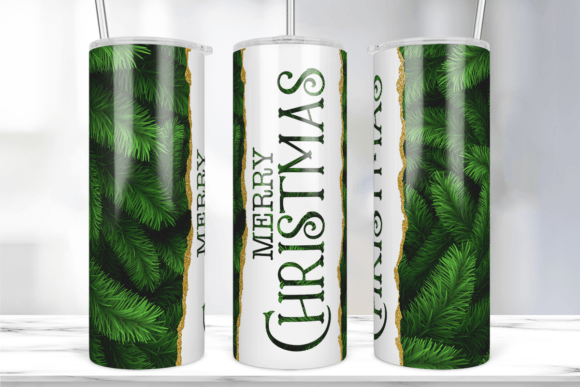
Christmas Libbey Glass Can Tumbler Embroidery Review
First Impressions: A Festive Wrap That Demands Attention
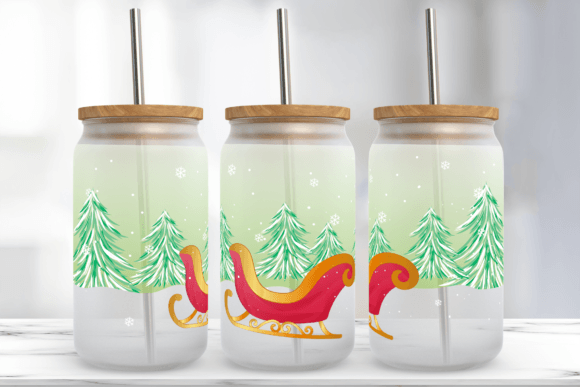
The moment I opened the Christmas Libbey Glass Can Tumbler design file, I felt that familiar holiday cheer—the kind that makes a craft business owner lean forward and start mentally gathering thread colors. This is a digital asset that clearly knows its audience. It’s built for a 16 oz Libbey glass can, and the wrap-around layout immediately suggests a full-surround scene, packed with seasonal icons: snowflakes, holly berries, maybe a reindeer silhouette or a Santa hat tucked into a corner. As an embroidery designer, I don’t see a static PNG; I see potential. The composition is balanced, the whitespace is intentional, and the overall mood is cozy but polished—exactly what you want for a handmade holiday gift or a boutique product.
The Christmas can glass png file I received reminded me that this is a Print Templates asset, born from the Graphics world. But embroidery people think in layers and textures, and this design has plenty of both. The first thing I noticed was the level of detail: small ornaments, delicate linework, and what looks like a playful “Merry & Bright” typography. That’s the kind of visual personality that can turn a plain tote bag or a sweatshirt into a conversation starter. I immediately started picturing how the satin stitches would frame those candy cane stripes, and how a fill stitch would handle the snowy background.
How the Design Translates to Fabric and Thread
When you’re looking at a Christmas Libbey Glass Can Tumbler design meant for sublimation, the translation to embroidery is never one-to-one. This PNG is flat, vibrant, and designed for a curved glass surface. To stitch it, you need to simplify the most complex areas, adjust the color palette for thread sheen, and decide which parts become applique and which stay as dense satin stitch or fill stitch. The good news? The layout already has a natural flow—the wreath element gently curves, the typography sits in a neat banner, and the little gingerbread man feels like a focal point. That means you can digitize each section as a standalone motif and then stitch them sequentially on a flat item like a tea towel or a pillow cover.
I tested a rough mockup by printing the design on paper and laying it over a kid’s apron I was prepping for a craft fair. The proportions worked beautifully. The holly leaves in the corners didn’t crowd the center, and the “Joy” text was large enough to be readable in a running stitch outline. For a machine embroidery design, you’d want to bump up the contrast just a bit—the soft mint green in the PNG might blend into a white fabric, so I’d swap it for a richer emerald thread. The overall effect, though, is instantly recognizable as Christmas, and that’s half the battle when you’re selling personalized gifts.
Choosing the Right Embroidery Project for This Motif
So where does a Christmas Libbey Glass Can Tumbler design truly belong in your embroidery lineup? I’d argue it’s a chameleon. The full wrap is too complex for a single small hoop, but you can extract the hero elements—the snowman, the reindeer, the “Fa La La” script—and build a collection of embroidered patches. Those patches then go onto caps, stocking cuffs, or even a felt Christmas tree skirt. For a custom apparel project, the main centered image (the one that would sit on the front of the tumbler) works beautifully on a unisex sweatshirt. The size, roughly 4x4 inches when isolated, fits a standard hoop and gives you enough room for a satin stitch border that frames the design like a gift tag.
I’ve been working on a baby embroidery line for the holidays, and this design’s softer elements—the little stars, the candy cane heart—are perfect for a baby romper or a nursery blanket. The trick is to scale down the design, drop the busy background, and keep only the most readable shapes. That’s where the Christmas can glass png really shines: it’s high-resolution enough that when you zoom in, the edges stay crisp, making digitizing much easier. I’d also recommend this for kitchen towels and aprons; the holiday theme is universal, and the design’s playful tone doesn’t feel too formal for a casual gift.
Avoiding Common Pitfalls with Detailed Christmas Designs
Now, let’s talk about the less glamorous side of working with a busier holiday graphic. The Christmas Libbey Glass Can Tumbler PNG has fine details—tiny dots on the gingerbread man, thin lines in the string lights, and a few shaded areas that look great on glass but can turn into a mess under the needle. If you’re digitizing this as an embroidery file, you need to ruthlessly edit. Remove any element thinner than 1.5 mm, merge overlapping shapes, and avoid a stitch density that turns the fabric into cardboard. I learned this the hard way a few years ago with a similar snowflake-heavy design; the thread buildup on a dark sweatshirt made the whole thing ripple. Now I test on scrap fabric first, using the same stabilizer I’d give to a client’s order.
Another thing: the original sublimation file reminds you to select Mirror Image when printing because the design is transferred onto the tumbler. For embroidery, you don’t need to mirror the whole design, but pay attention to any directional elements. If a reindeer is facing left on the tumbler, you might want to keep that orientation for a tote bag so it still looks natural. I’ve seen too many embroidered Santas staring blankly the wrong way. Also, be cautious with textured fabrics like waffle weave or terry cloth; the tiny details will get lost. Stick to smooth cotton, canvas, or a high-quality polyester blend. And if you’re stitching on a curved surface like a cap, only use the central icon, not the wrap-around text, because the arc of the design won’t align with the cap’s curve.
Real-Life Application: From Sublimation PNG to Stitched Gift
Let me walk you through a real scenario I’m tackling right now. A customer reached out through my Etsy shop asking for a personalized hostess gift. She wanted a set of embroidered pillow covers that felt “Christmas morning” without being too childish. I pulled up the Christmas Libbey Glass Can Tumbler design, extracted the hot cocoa mug and the “Warm Wishes” text, and digitized it as a 5x7 applique design. The mug became a fabric piece from a red plaid remnant, the text was stitched in a soft ecru satin stitch, and I added a few silver snowflakes with a running stitch outline. The result looked like a high-end boutique product, and the customer immediately ordered two more for her sisters.
That’s the real value of a design like this. It’s not just a printable mockup or a sublimation wrap; it’s a launchpad for dozens of embroidery projects. I’ve also used it as a digital embroidery file preview: I place the PNG over a photo of a blank tote bag in my listing, and buyers instantly understand the holiday vibe. The Christmas can glass png is so well-composed that it sells the idea before I even stitch a sample. And when you’re running a craft business, that kind of visual clarity can make the difference between a scroll-by and a sale.
Practical Tips for Embroidery Designers Using Digital Assets
Before you jump in and start digitizing the Christmas Libbey Glass Can Tumbler for your own shop, here are a few notes from my own process. Always check the hoop size you’ll need. The full design, if you tried to stitch it as one piece, would require a massive hoop and multiple rehoopings—not practical for a single item. Instead, break it into smaller files: a left-side wreath, a right-side Santa, and a center sentiment. That way you can stitch them on anything from a tote bag to a baby onesie. Also, test the design in black and white before you finalize your thread palette. If the contrast disappears, your customer’s finished product won’t pop on a dark fabric.
I always recommend doing a few test stitches on light fabric and dark fabric with the same digitized file. The Christmas Libbey Glass Can Tumbler graphic has a lot of white space, which is great for a light background, but on a navy sweatshirt you’ll need to add a white underlay or a subtle outline so the reindeer doesn’t vanish. Stabilizer choice is critical. For a design with this many small elements, I use a fusible cut-away stabilizer for stretchy fabrics and a tear-away for sturdy woven goods. And don’t forget to check the licensing. The product description didn’t specify commercial use permissions, so before you sell anything with this design stitched on it, confirm with the seller that you can use the Christmas can glass png for physical commercial embroidery products. That’s a non-negotiable step for any Etsy seller or small shop owner.
Who This Design is Really For
If you’re a creative entrepreneur who loves the look of a full-bleed tumbler wrap but wants to bring that joy into thread and fabric, the Christmas Libbey Glass Can Tumbler is a smart investment. It’s not a plug-and-play embroidery file; you’ll need to digitize, adjust, and experiment. But the design assets are strong, the festive mood is impossible to ignore, and the final handmade product carries a sense of craftsmanship that sublimation alone can’t match. I’d use it for holiday gifts, boutique branding, and even wedding gifts with a winter theme. The key is to treat the PNG as a springboard—take what you love, simplify the rest, and stitch something that makes people smile.
In the end, the Christmas Libbey Glass Can Tumbler design reminded me why I love working with print templates and graphics as an embroidery designer. They push me to think beyond the hoop, to blend techniques, and to create finished products that feel fresh and intentional. So grab that scrap fabric, fire up your digitizing software, and see what this holiday tumbler wrap can become in your hands. Your customers—and your craft fair display—will thank you.